Kingswood: A Commitment to Biodiversity and Sustainability
Kingswood has long been a treasured spot for residents and wildlife enthusiasts, providing a peaceful haven for visitors. Recently, residents may have noticed the hum of machinery which is part of a carefully planned effort to improve and protect the woodland for both wildlife and the community.
Published: 9 April 2026
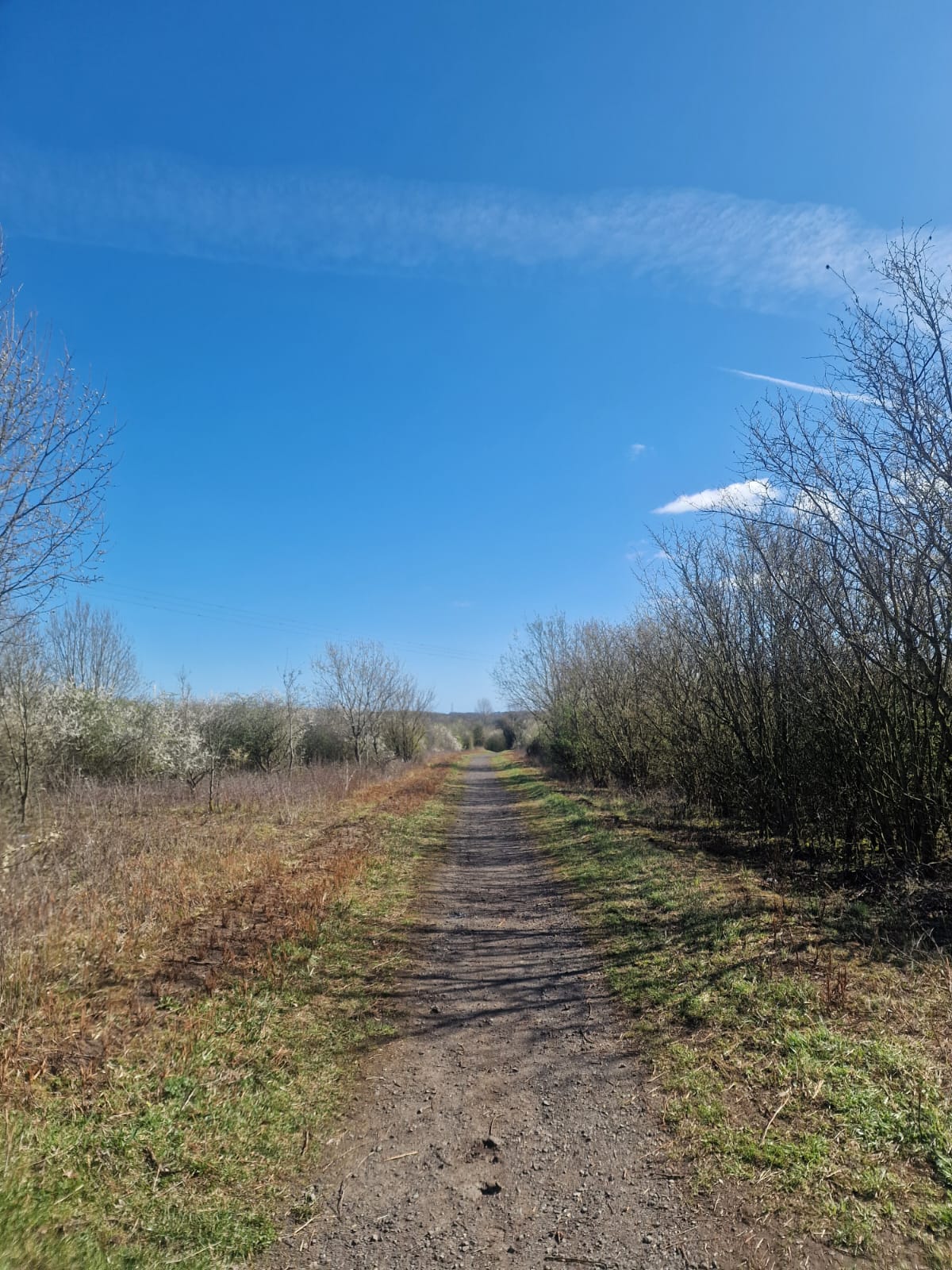
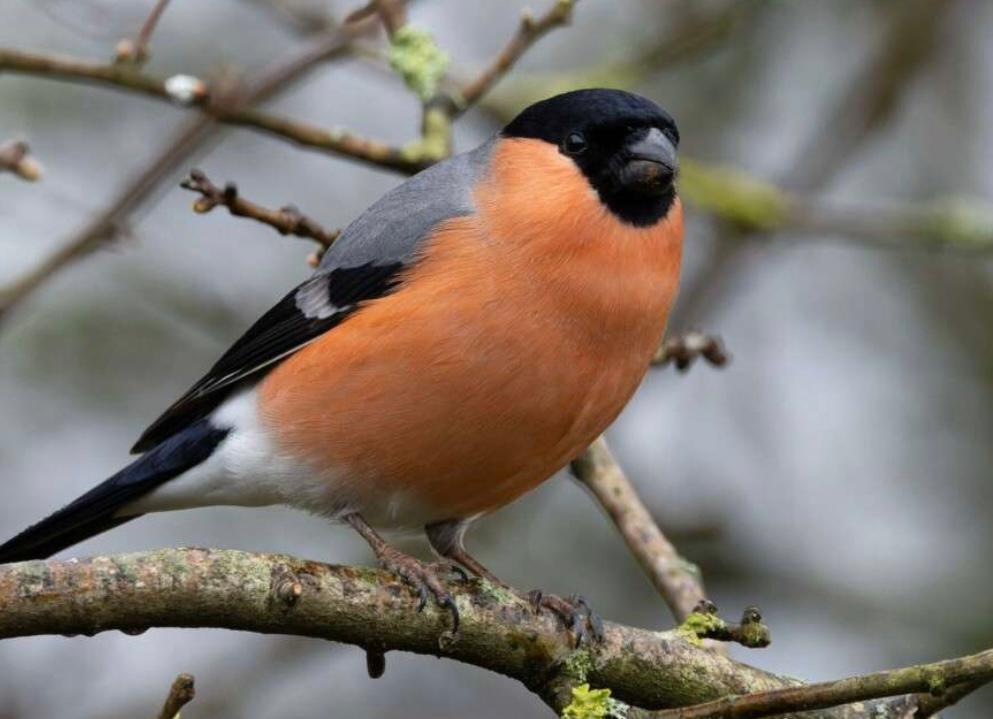
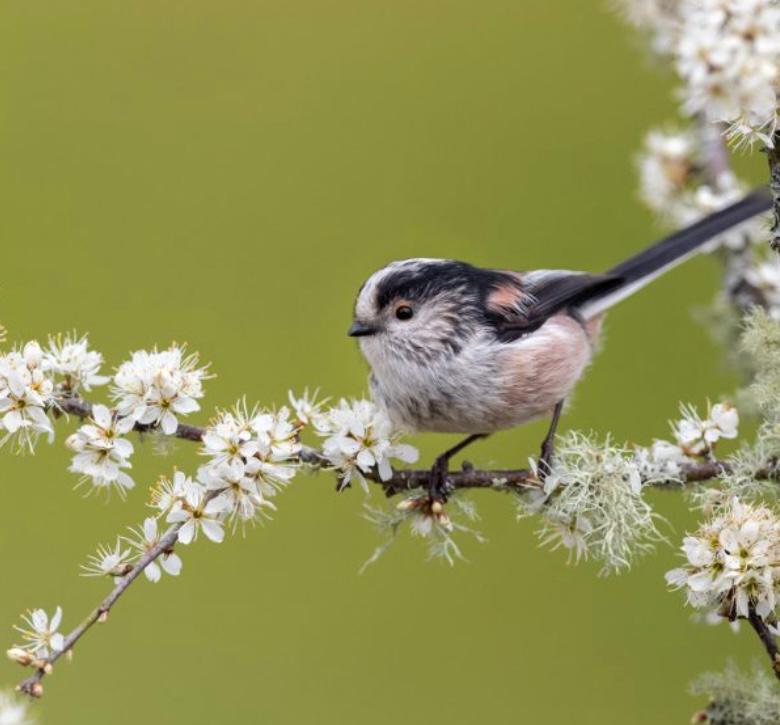
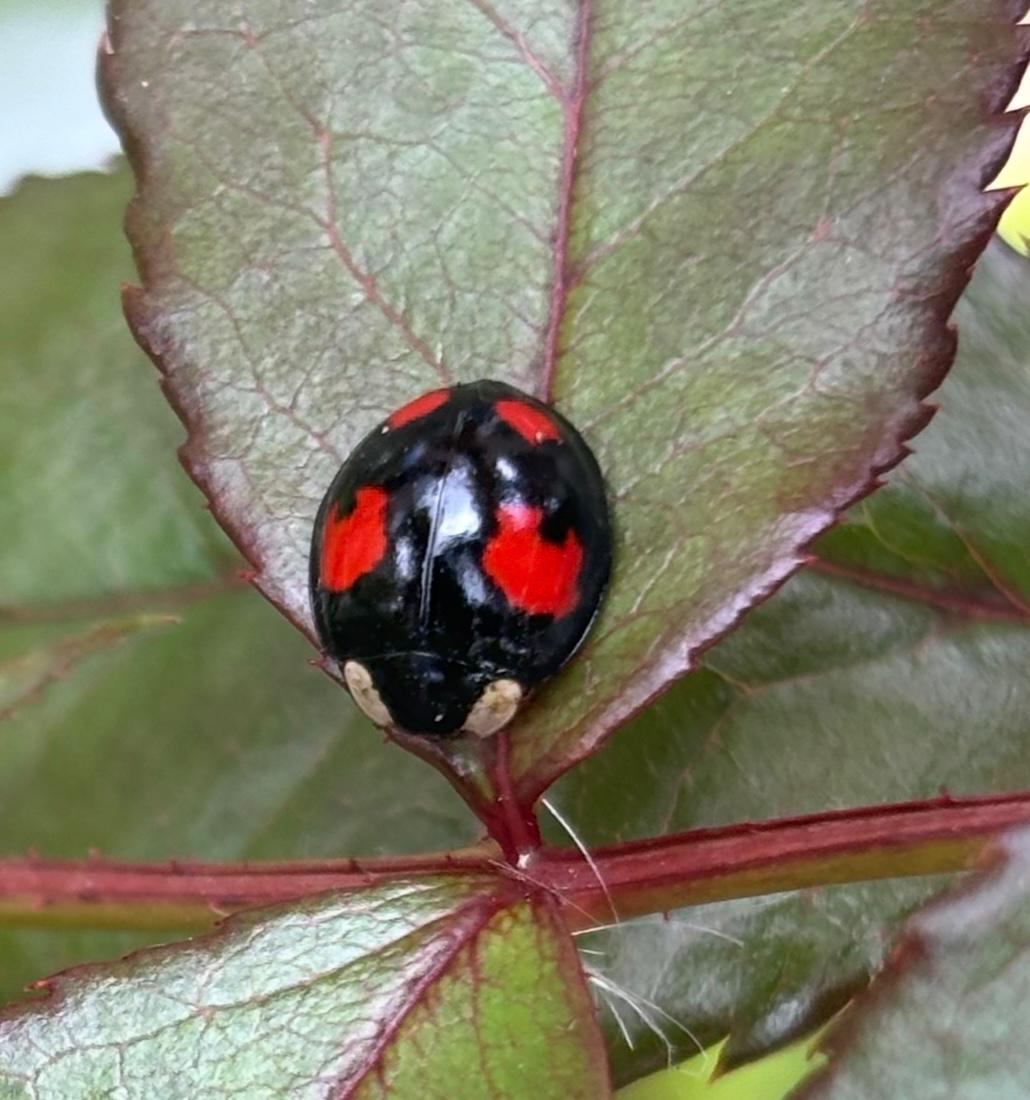
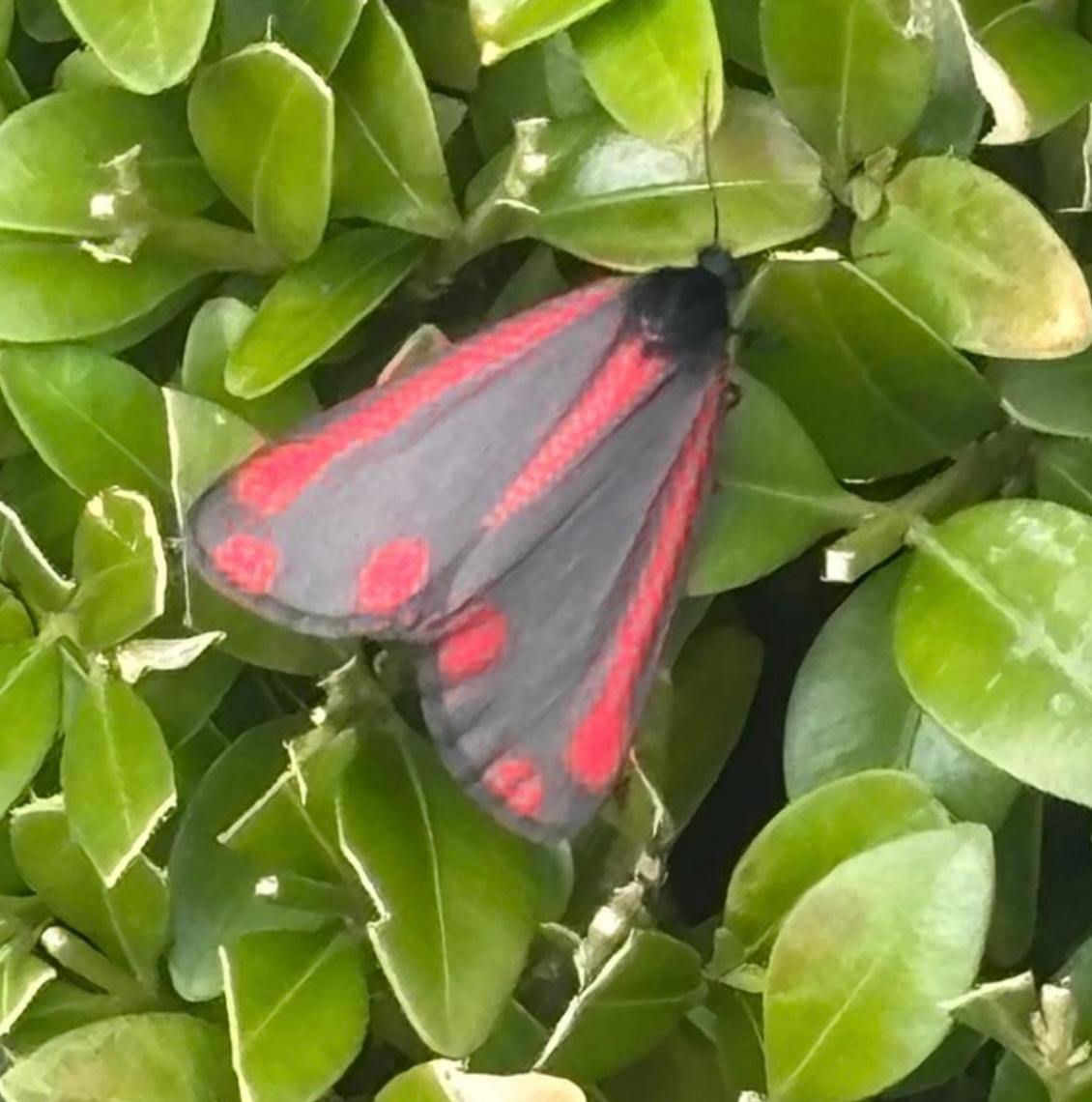
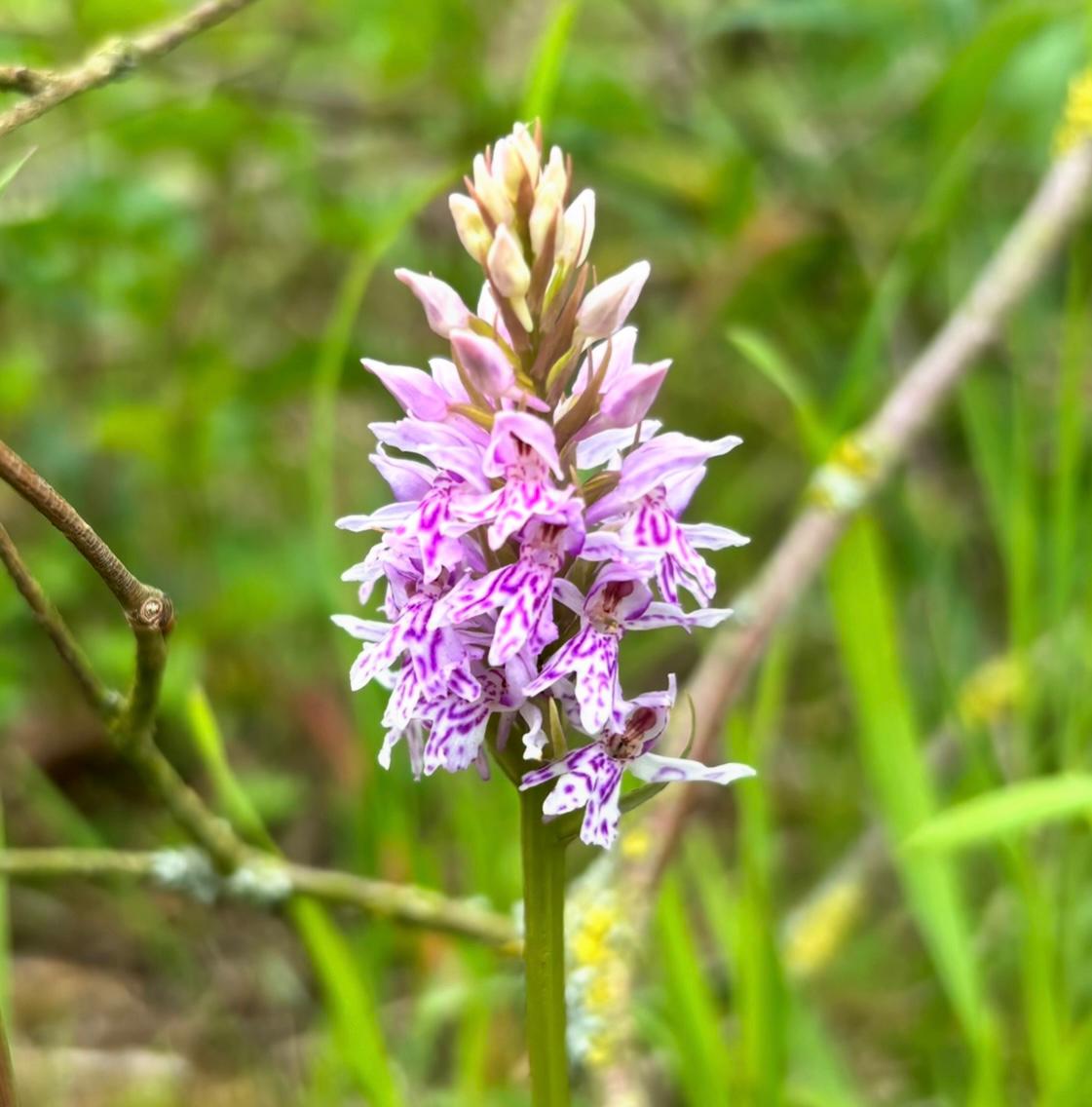
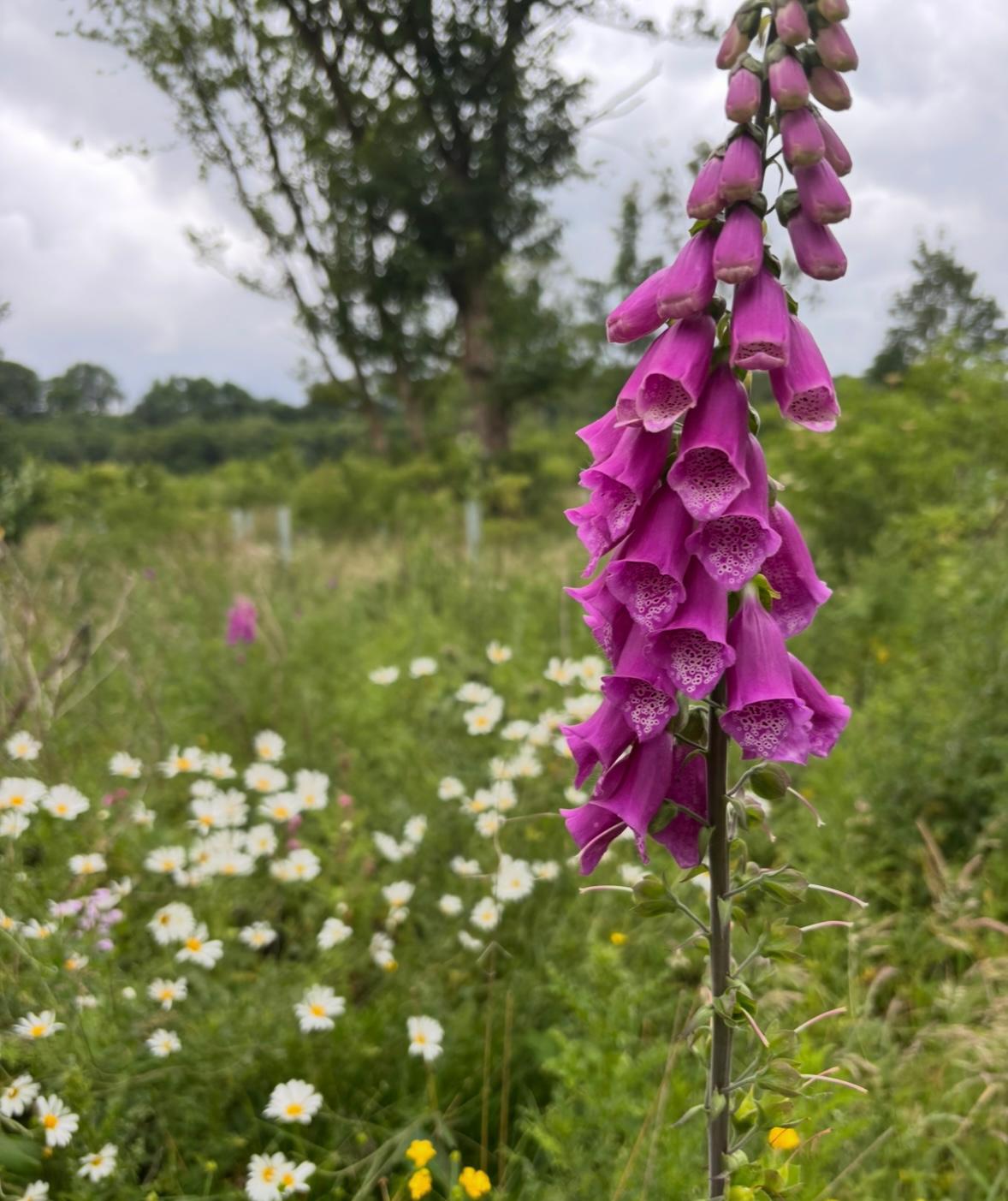
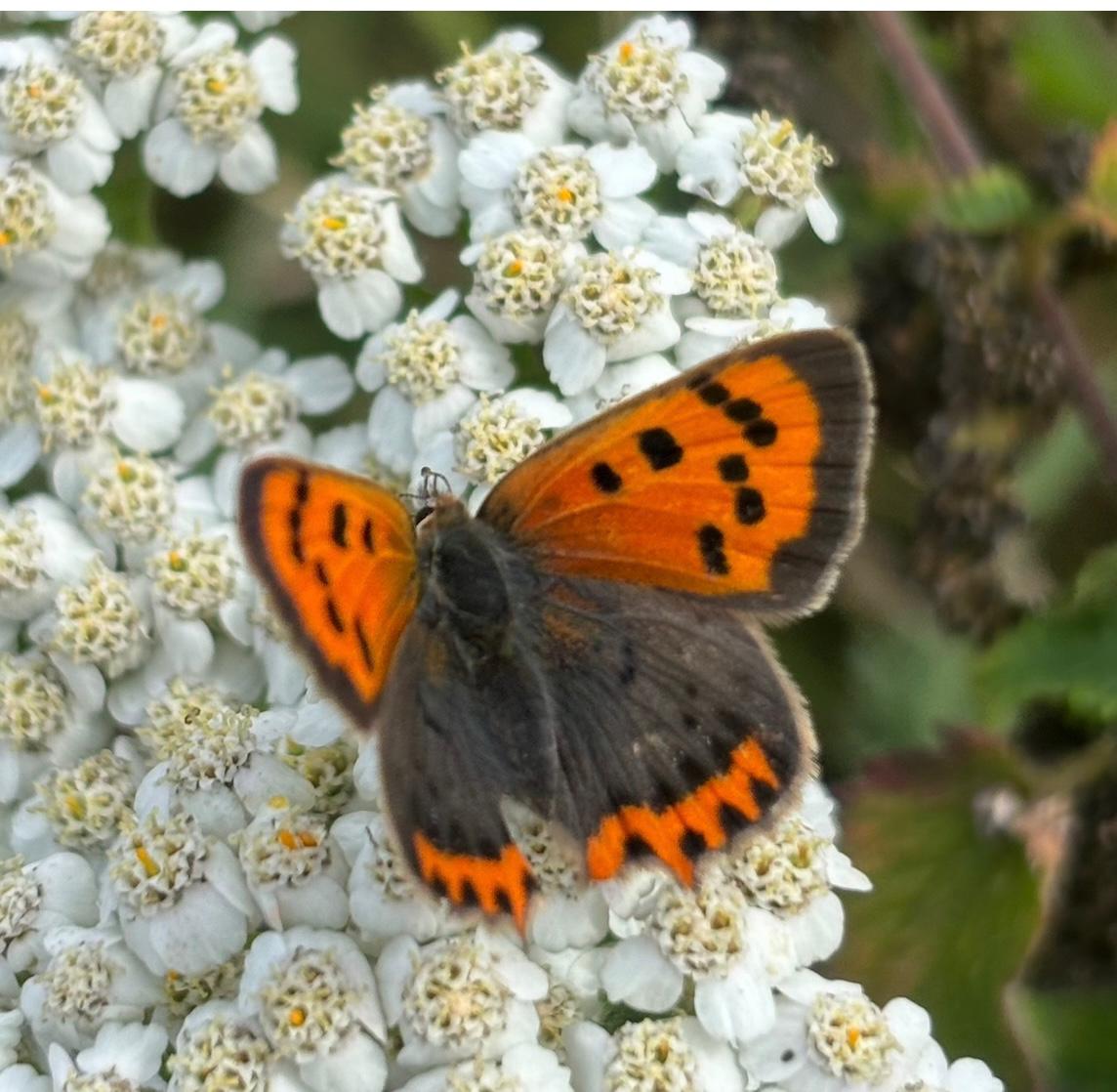
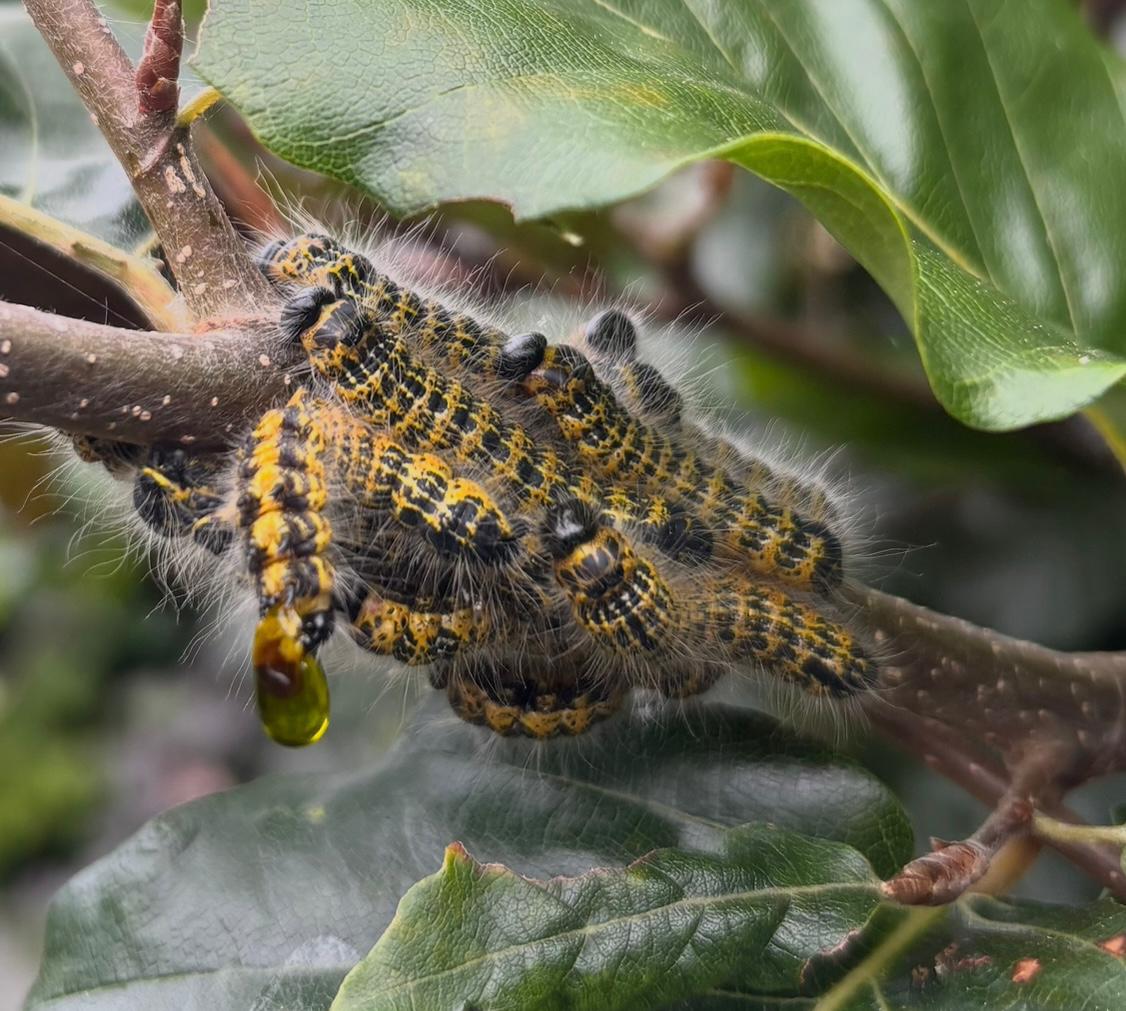
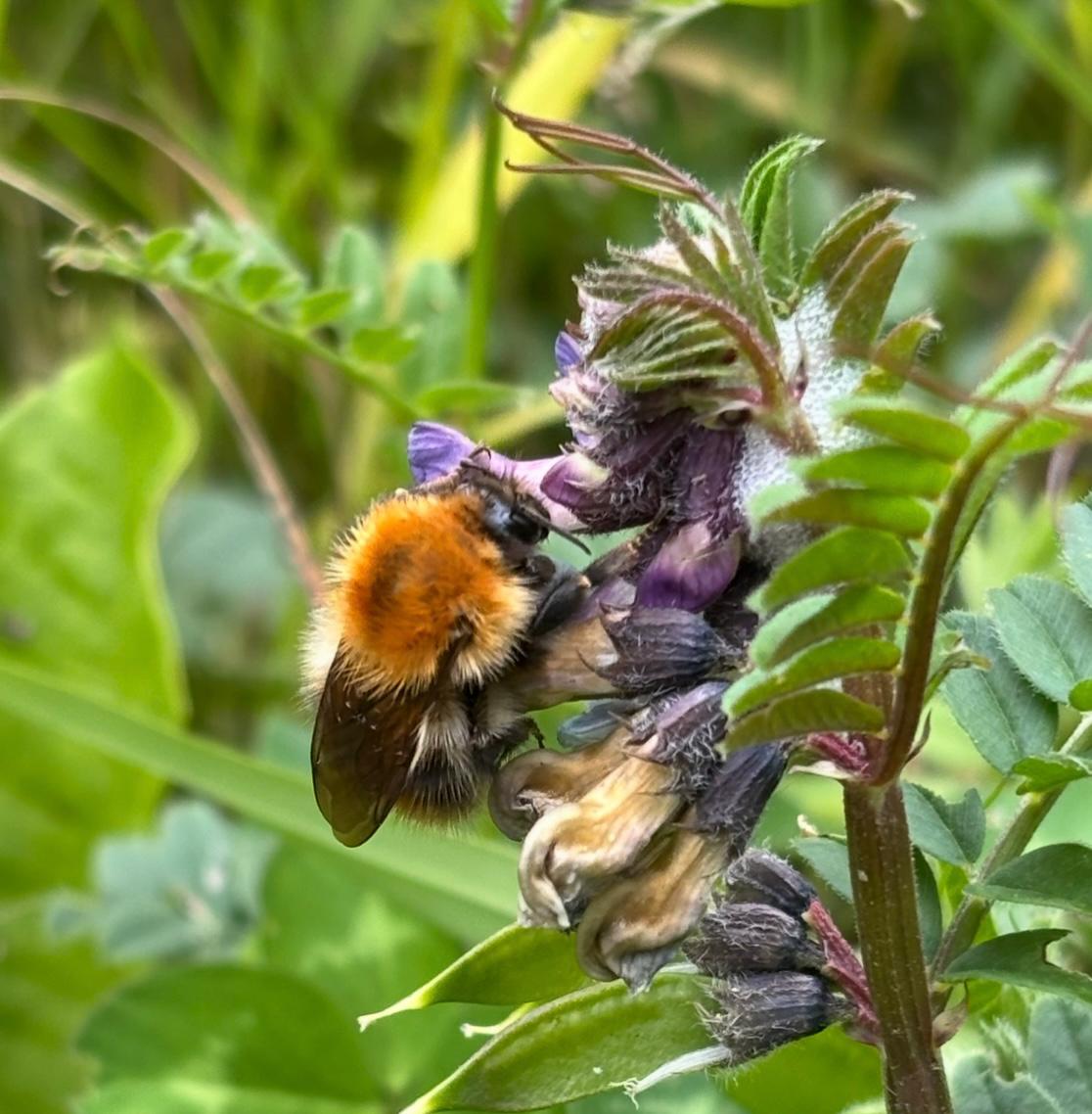
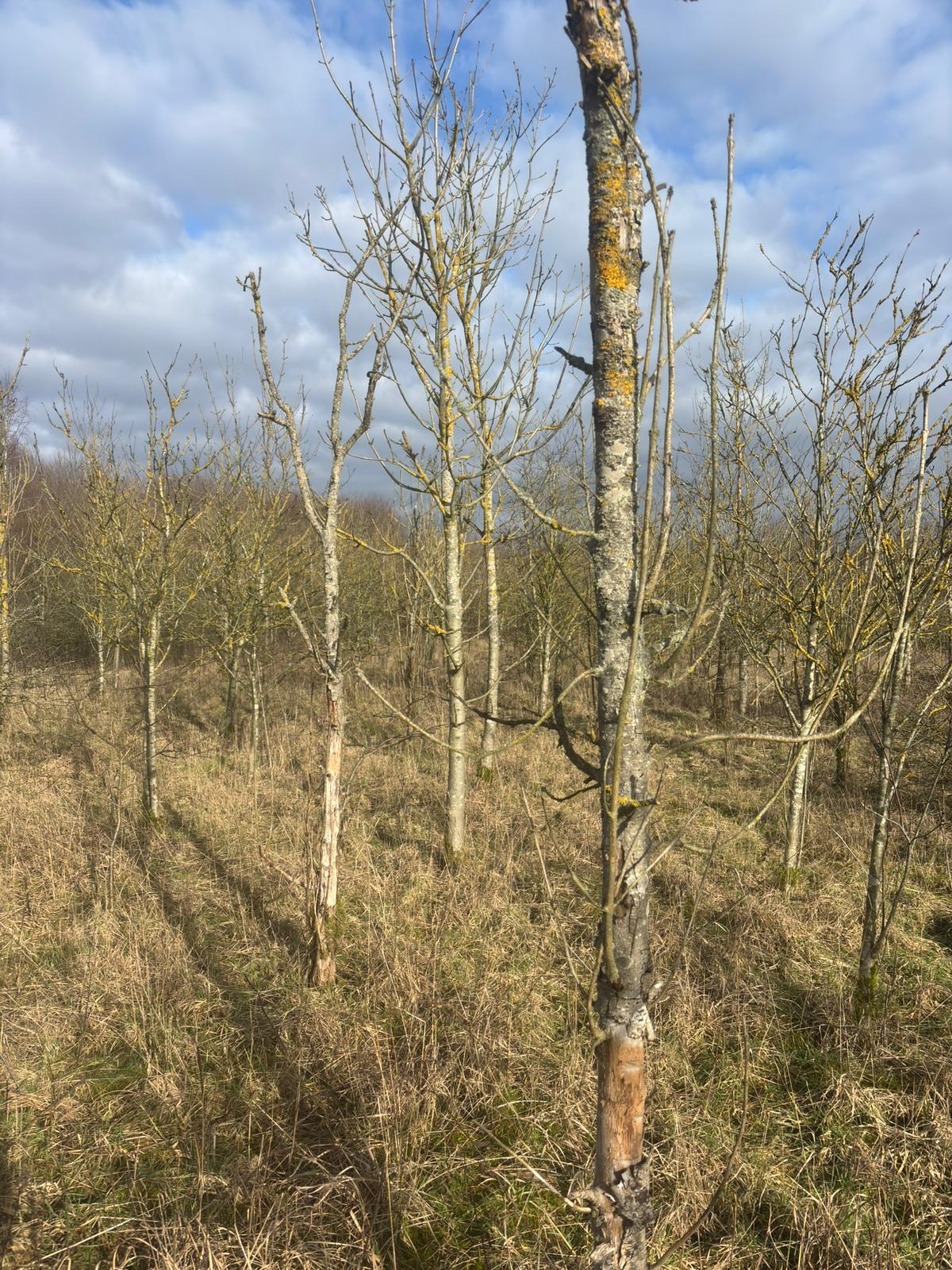
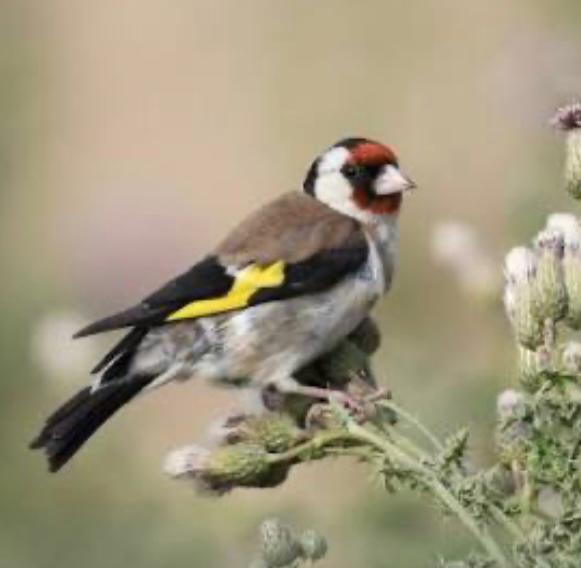
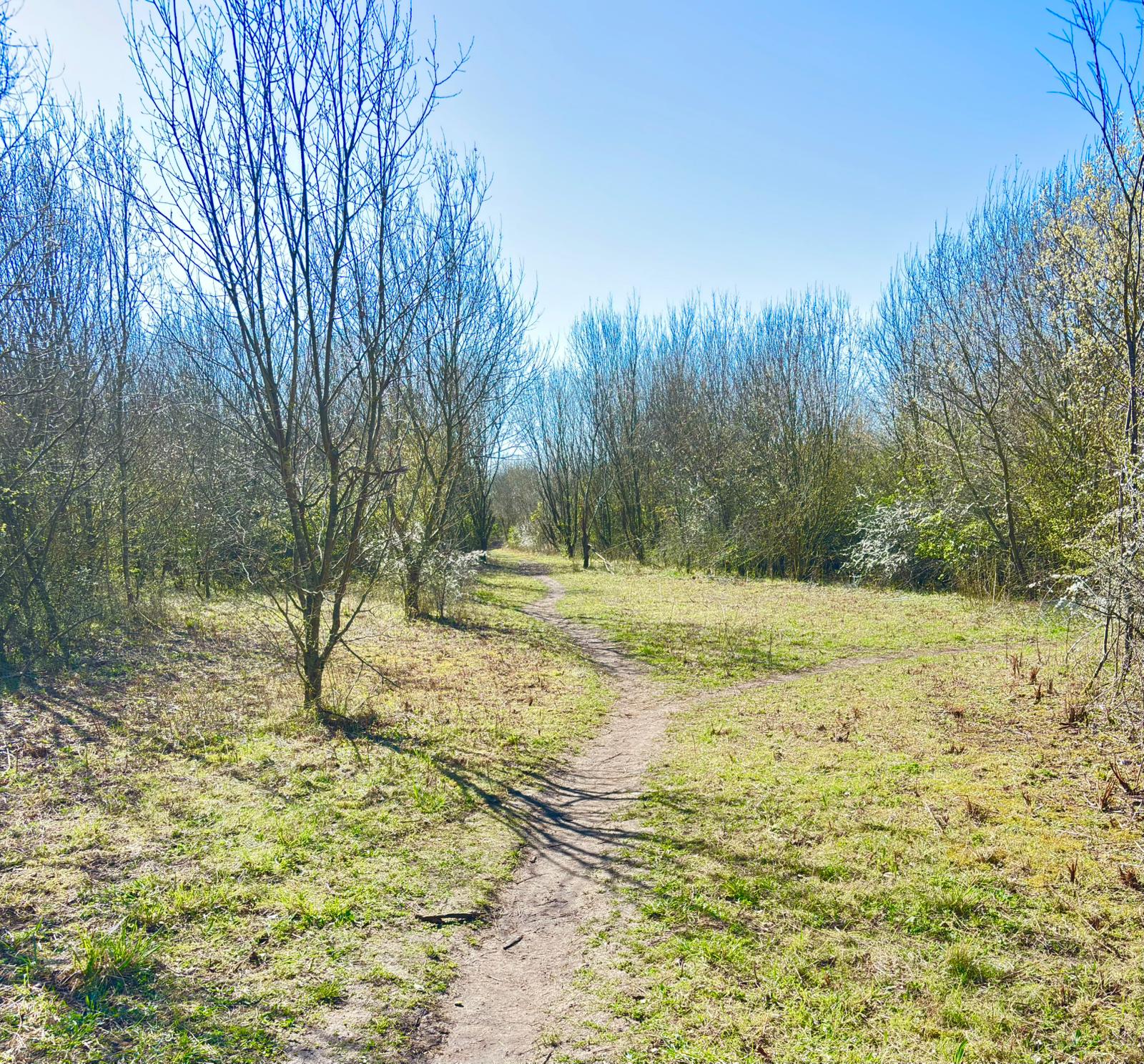
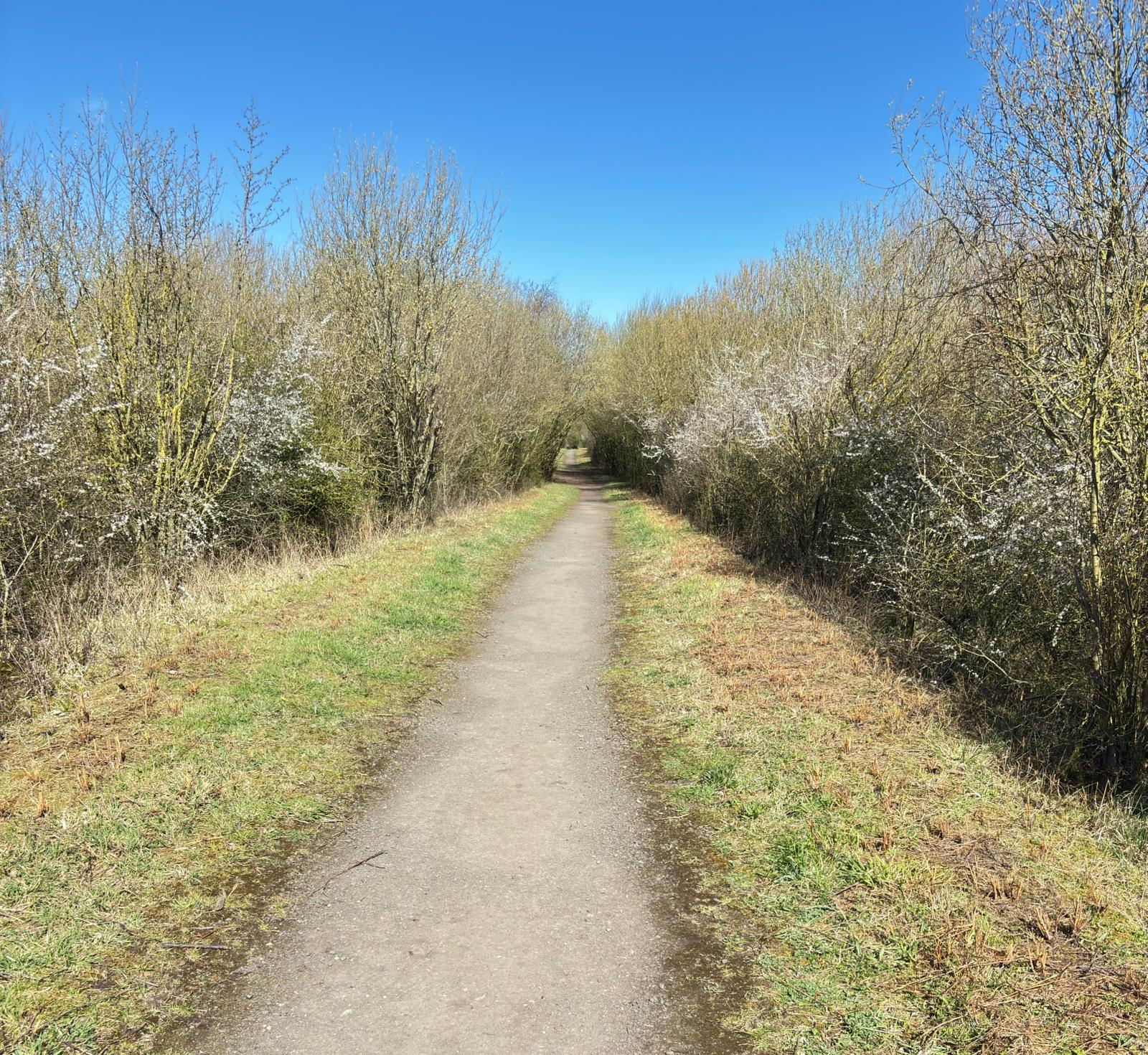
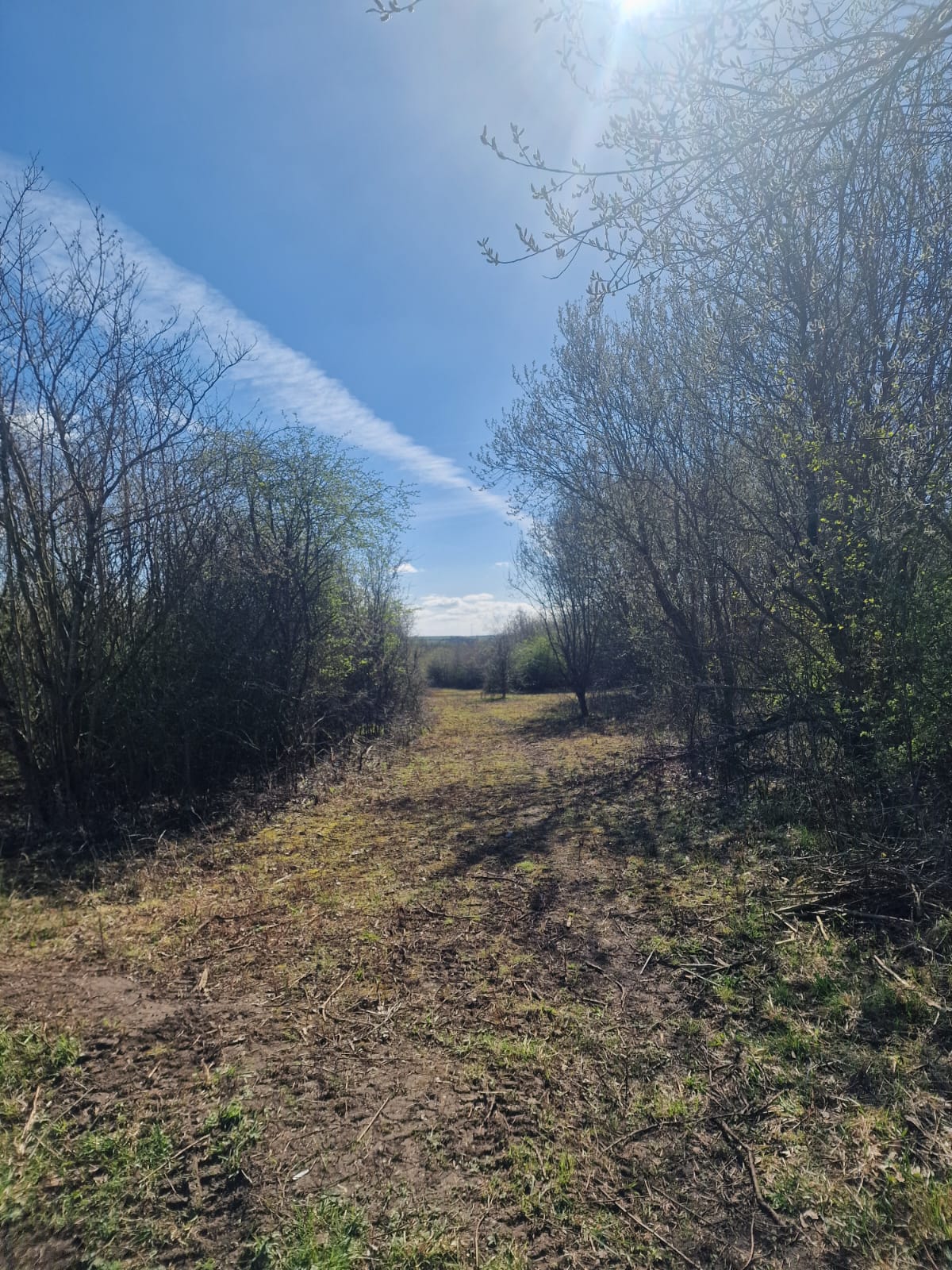
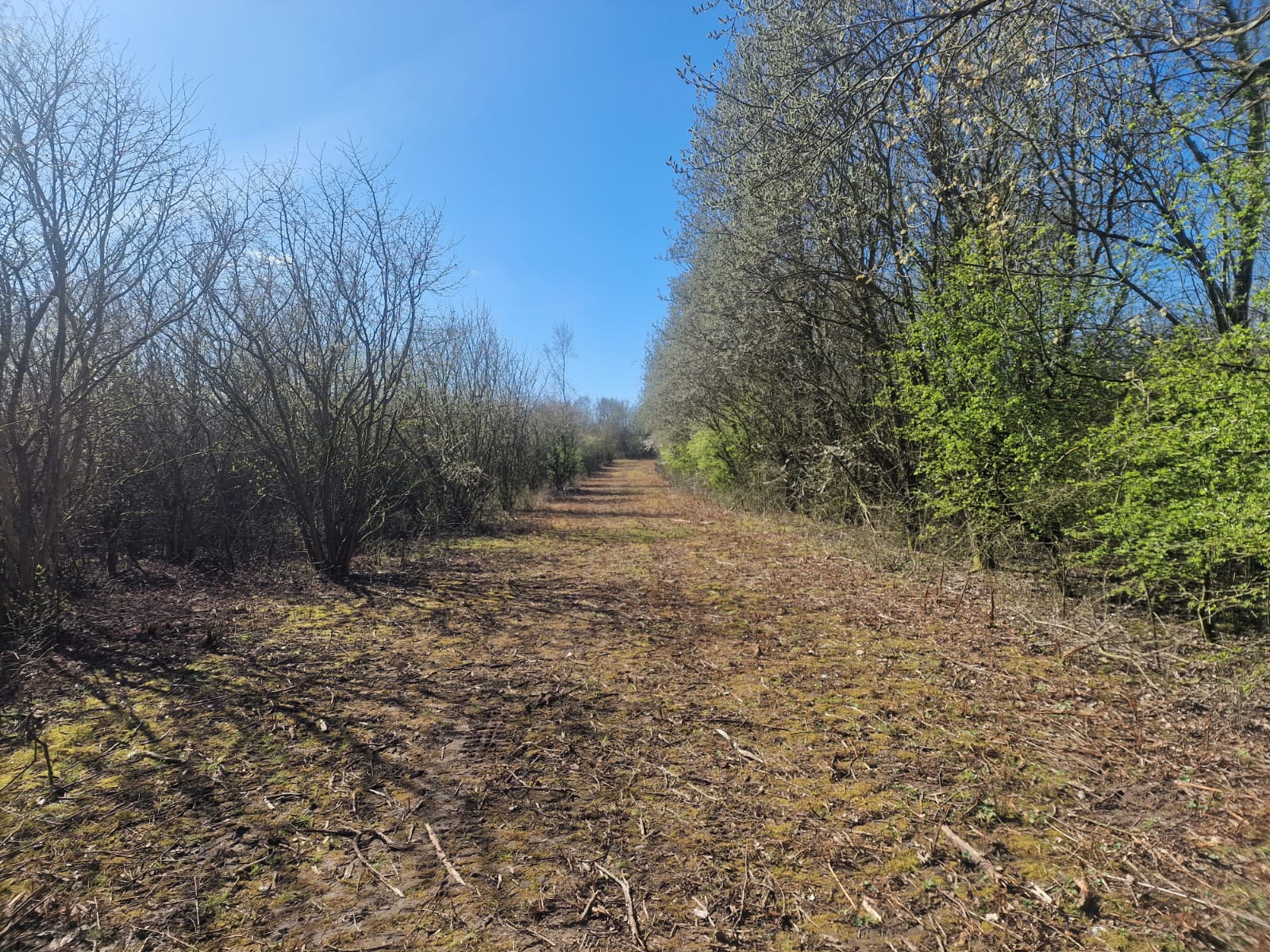
This activity is part of our ongoing, five-year countryside stewardship program aimed at enhancing biodiversity and ensuring the sustainability of Kingswood for generations to come.
A Flourishing of Wildflowers and Grasses
One of the central elements of our stewardship plan is the restoration and rejuvenation of the footpaths and rides within the wood. The cutting back of these areas, which has recently been carried out by contractors, plays a pivotal role in creating space for a more diverse range of wildflowers and grasses. By allowing sunlight to reach the previously shaded spots, we are opening the ground for these plants to thrive.
Over the past few years, we’ve seen remarkable progress in the number of species populating the verges of our paths and within the woodland itself. Last year, volunteers and contractors recorded no fewer than 24 different wildflowers. Many of these species had remained dormant in the soil for years, waiting for the right conditions to emerge. With the woodland’s newly cleared areas and the enhanced sunlight, this biodiversity will only continue to grow, with new species potentially arriving each year.
Selective Thinning and the Struggle Against Ash Dieback
In addition to improving the flora, we are also focused on the health and sustainability of the trees in Kingswood. One significant project involves the selective thinning of younger native ash trees. Since 2012, ash dieback disease has devastated ash populations across the UK. While a small percentage (1-2%) of trees may have some genetic resistance, the disease has become endemic in many areas, including Kingswood.
Through selective removal of some of the affected trees, we’re creating new environments within the wood. One such area is being transformed into a marginal scrubland, which will provide vital habitat for small birds and other wildlife that rely on dense shrubbery and brambles for nesting. As we continue this work, more areas within the woodland will be transformed into patches of scrub and mature woodland, providing a varied habitat suited to different species throughout the year.
This project not only helps fight the spread of ash dieback but also contributes to the diversification of habitats within Kingswood, ensuring that the woodland remains a thriving ecosystem for both wildlife and visitors.
Sustainability: Making the Most of Fallen Ash Trees
As part of our commitment to sustainability, the dead ash trees that are removed are not discarded. Instead, they are chipped by contractors, and the woodchips are put to good use. A group of dedicated Kingswood volunteers will lay these chips along the newly cleared rides, making footpaths more accessible and ensuring year-round access to various parts of the woodland. These woodchips will serve as a natural mulch, promoting healthier soils and preventing erosion, contributing to the long-term health of the woodland.
Countryside Stewardship and Kingswood’s Future
The work being done at Kingswood is part of a broader countryside stewardship program, which requires landowners and custodians of nature reserves to take specific actions to preserve and enhance the natural environment. Our stewardship plan includes a focus on increasing biodiversity, maintaining habitat diversity, and ensuring accessibility for the local community and visitors. The clearing of rides, selective tree thinning, and the management of woodland species all contribute to the ecological integrity of the reserve, creating a more resilient environment for future generations.
We are deeply committed to making Kingswood a living, breathing nature reserve that not only serves as a safe home for local wildlife but also as a space for the community to enjoy and connect with nature. With the ongoing work and dedication of our volunteers and contractors, Kingswood will continue to thrive as an important ecological resource in County Durham.
We look forward to seeing the continued growth of Kingswood, both as a sanctuary for wildlife and as a vibrant part of the local landscape.
Recent News
- Rescheduled Ordinary Meeting of Coxhoe Parish Council 14 September 2026
- Coxhoe Parish Council Ordinary Meeting: Monday 5 October 2026 at 6.00pm
- Ordinary Meeting of the Council 05 October 2026
- NEW DATE Event, Environment and Finance Committee Meeting of the Council 23 September 2026
- Ordinary Meeting of the Council 02 September 2026